Sunday, 14 August 2022

The SR500 sidecar - C-A-R-N-A-G-E

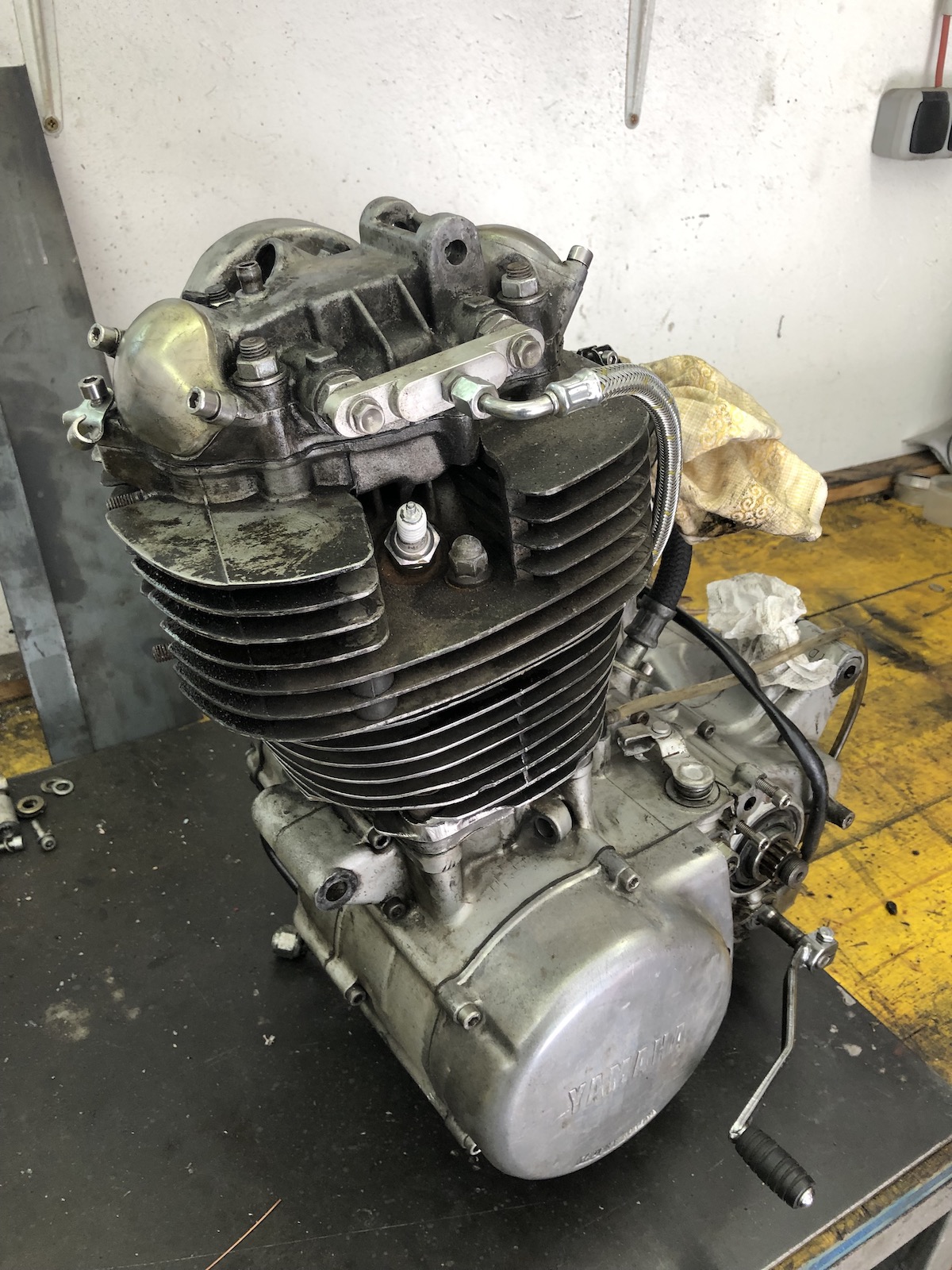
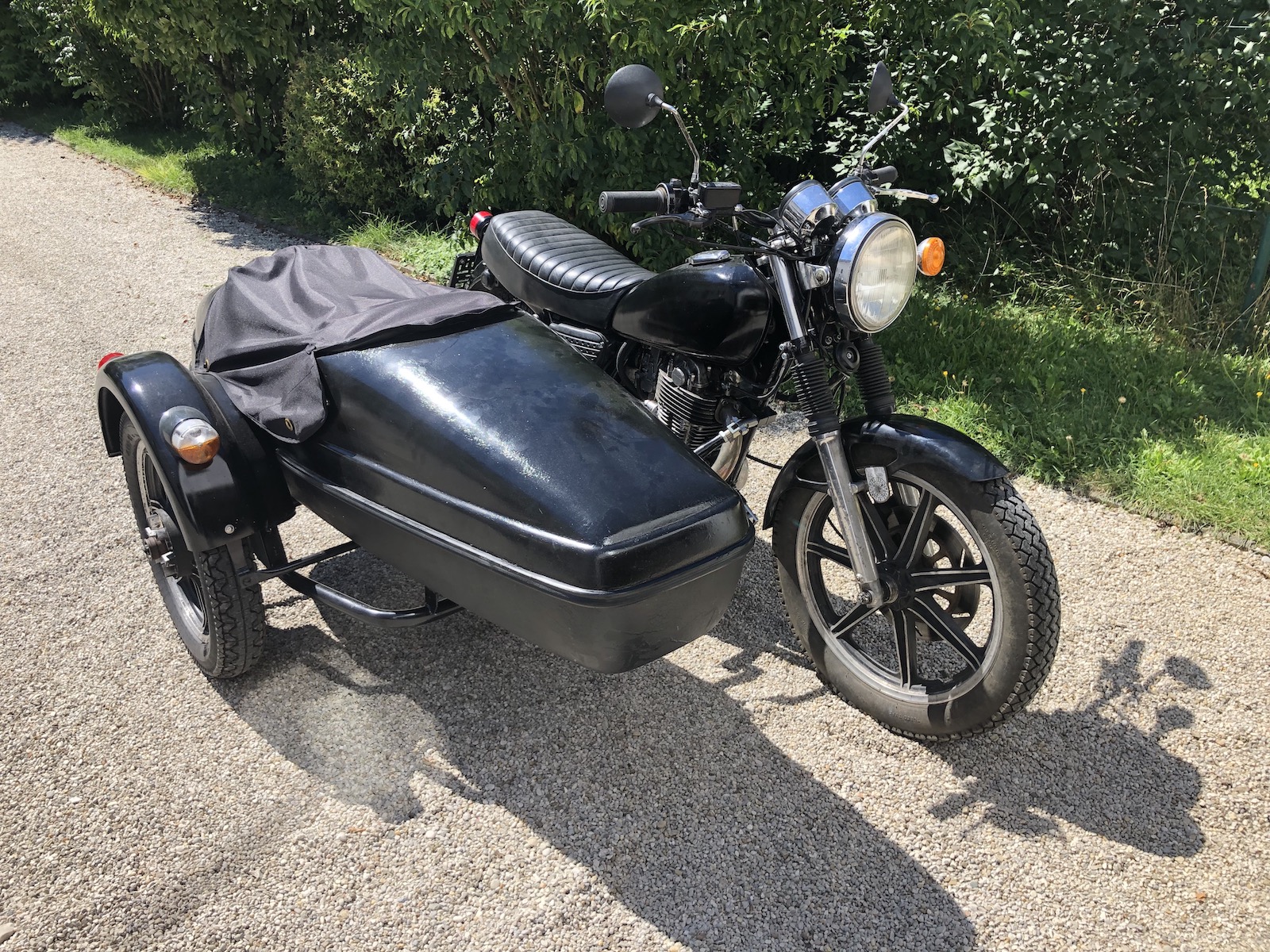
There's this thing with personal records, if it's about good stuff and personal bests they are absolutely awesome. If it's a personal worst... I mean in that sense how does 67km from rebuild to destruction sound? That's quite outstanding I think.

Let's start where it somewhat ended, in a layby close to the Danube, very scenic. Unfortunately, in order to get there, I first had to push the sidecar for easily a kilometer or so and got nearly run over  by various people including some which were angrily sounding their horns at me, instead of maybe lending a hand...

As the picture indicates, I lost all my oil. I noticed that the 88mm piston I used in the rebuild was a bit on the smokey side, but I was secretly hoping that it would clear up once it had gone through a few heatcycles. Yet there I was stranded in the middle of nowhere. Out of oil, with a slightly seized engine. That being said, it's a sidecar and for some weird reason I had next to 5L of fresh oil in the luggage compartment. 

The oil feed to the pump had also come slightly loose and after finding this, I was pretty convinced that this was the reason for the oil-loss. Tightened up again and tried my luck.

... and that's what separates good bikes from outstanding bikes. Yep, made it all the way to the workshop. Even though we needed all of those 5L of oil to make it those last 25km. Smoking? Oh you bet. Like an old 2-stroke being run on 1:25 instead of 1:50, because you got the maths wrong.

There wasn't much oil left to drain, yet what was stuck to the drainplug didn't look too bad, so there was a glimmer of hope. 


Engine out, quick, fast and in a hurry, but this time with the sidecar left attached. Works just fine, only the front upper sidecar mount has to be removed in order to clear the engine. 

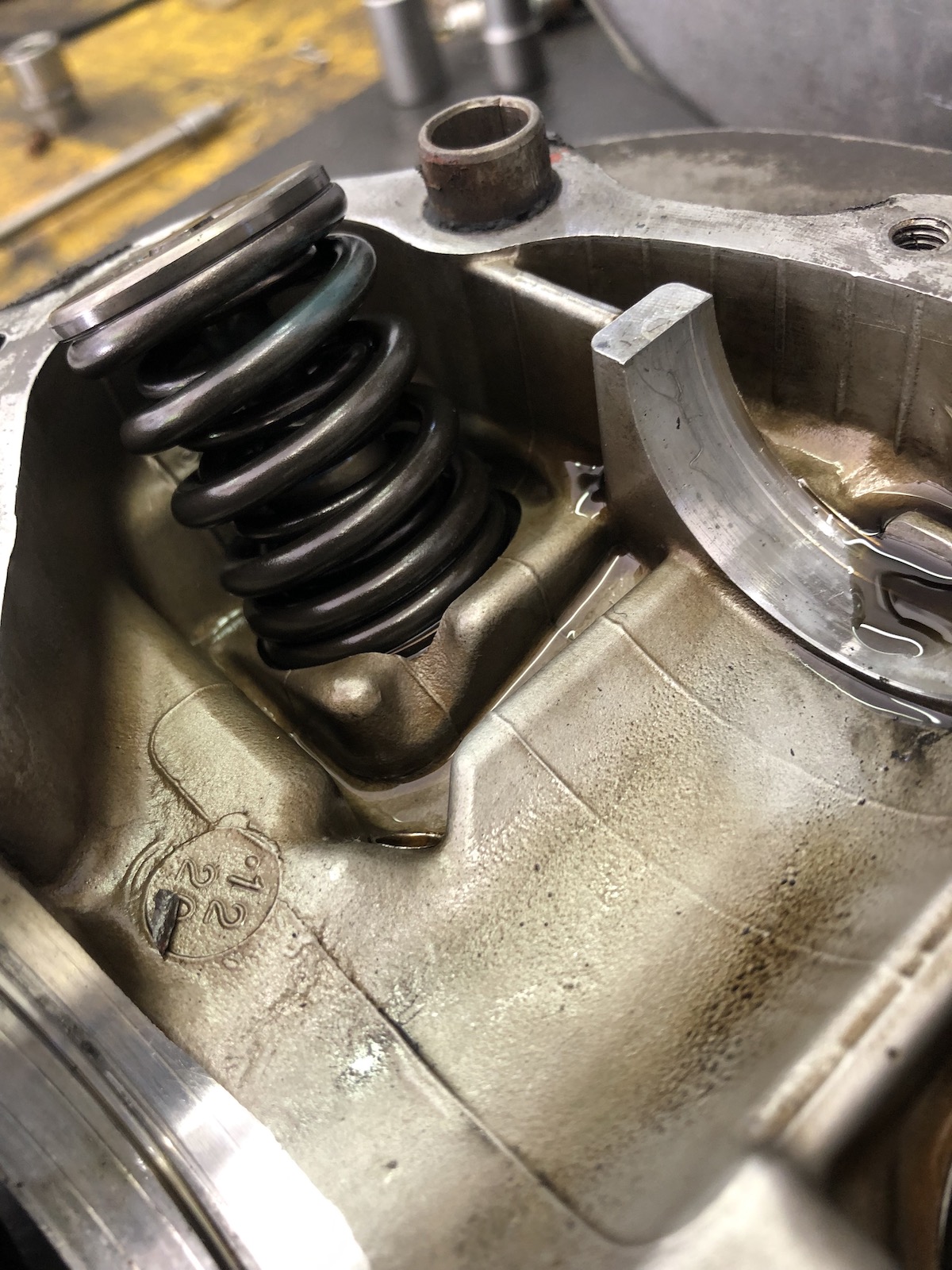
But the really pleasant surprise came, when I opened the engine. Don't get me wrong, it needs a MAJOR service. But only the exhaust valve rocker was slightly burned up.

Camshaft shows no signs of damage at all. Which means, the oil supply worked pretty much until the very end.

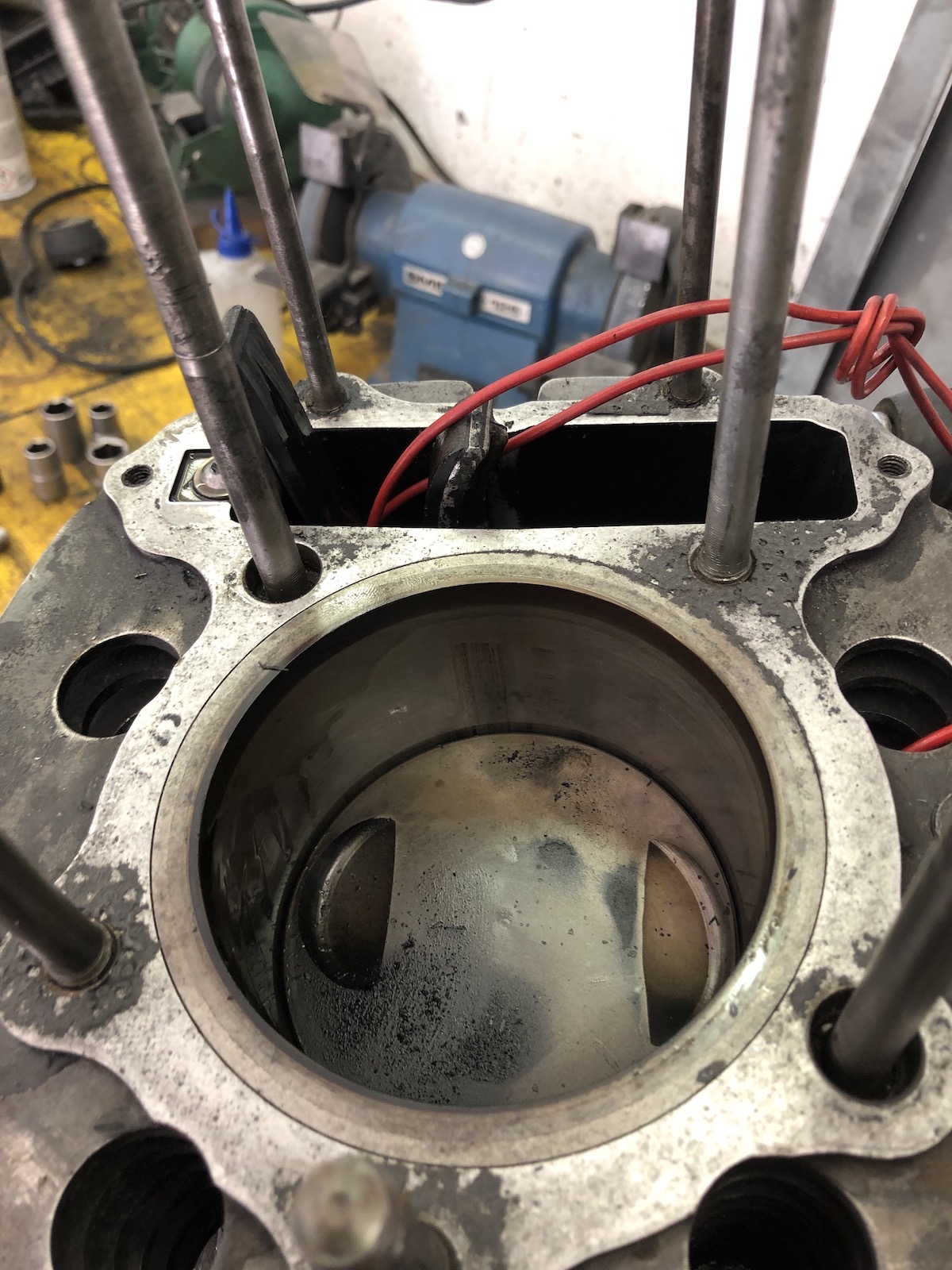
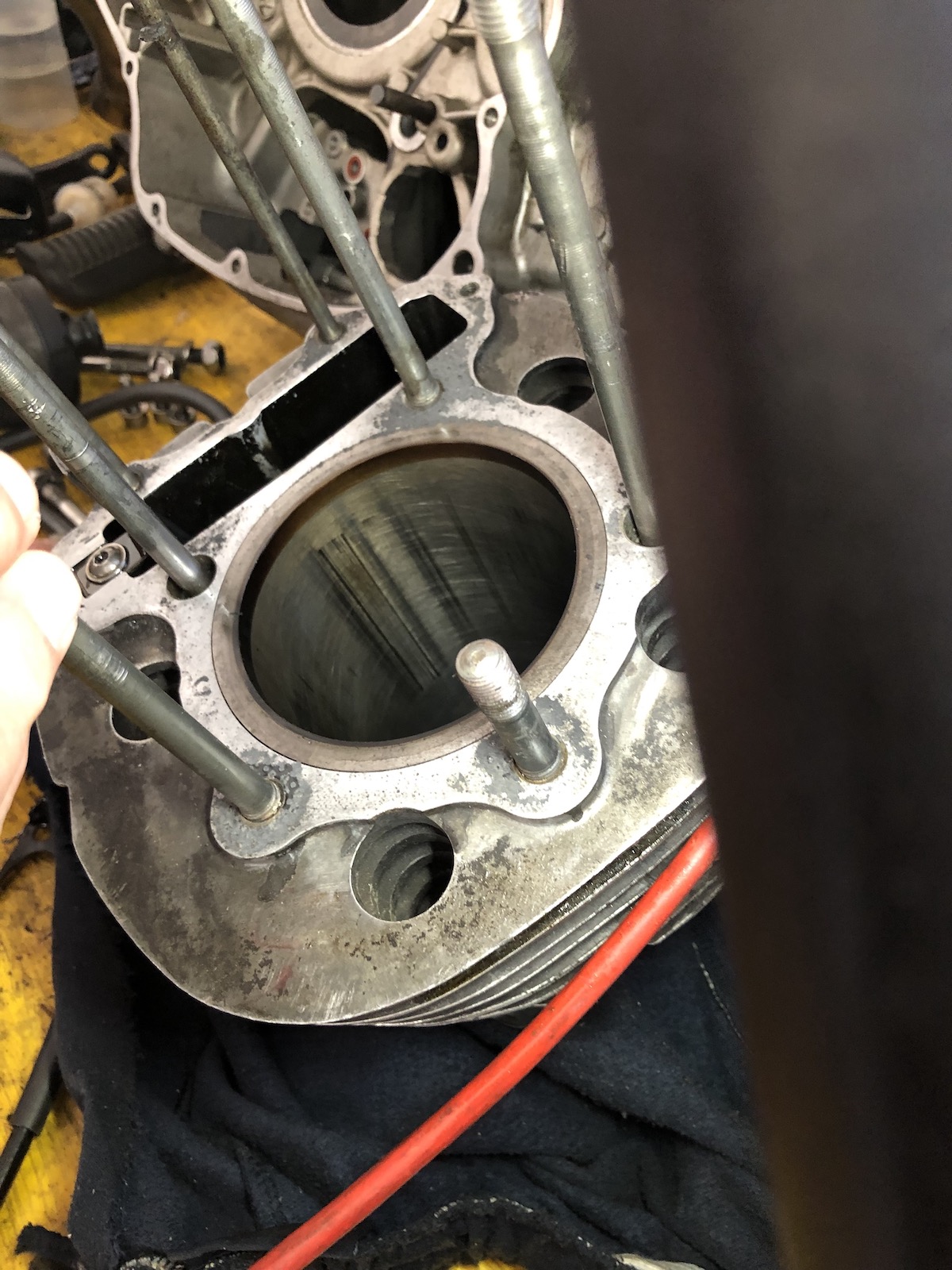
Classic 4-point seizure. (This is some textbook stuff really.)


Small end of the conrod looks dubious

Yet still passes the gudgeon pin test with flying colours. As I have a "like new" crank coming in, this one will be retired in the spare engine. Maybe I'll actually get a conrod kit and overhaul the crank.

Which left me scratching my head quite a bit on where all the oil had gone as I couldn't find any substantial cracks in the engine cases or the like. Turns out, I had lost the complete gearshift ratcheting mechanism and there was a huge hole on the bottom of the engine.

With the cylinder being in the machine shop, I also took the time to improve a few more things around the bike, one being reinstalling the lower fuel tank support and another one will be to alter the two lower front sidecar mounts so I can take off the oil-line coming from the frame with the engine installed.


Just to end the whole drama on a slightly more uplifting note - ever wondered what close to 700 Euros in SR500 parts looks like?


Saturday, 13 August 2022

Dre-XT-Stück - a rejet won't quite cut it

At the end of the previous post on the old girl or about 500km ago, if that's how you want to measure time, I was pretty convinced that a rejet would be the ticket to find the missing horses in the XT's engine. But first I had to find the poor electrons and a bit of magic smoke that attempted to escape the old girl's wiring loom. As most of the electrics had fallen silent, I assumed that the capacitor I use as a battery replacement had called it quits. So this time I upgraded from a 4700µF to a 47000µF/25V capacitor, also with the intention of making the indicators work at idle and giving the regulator a bit of an easier time. 

Initially I ordered two caps, but the second one was a 47000µF at 63V and about the size of a pint glass - makes a good conversation piece or paperweight.

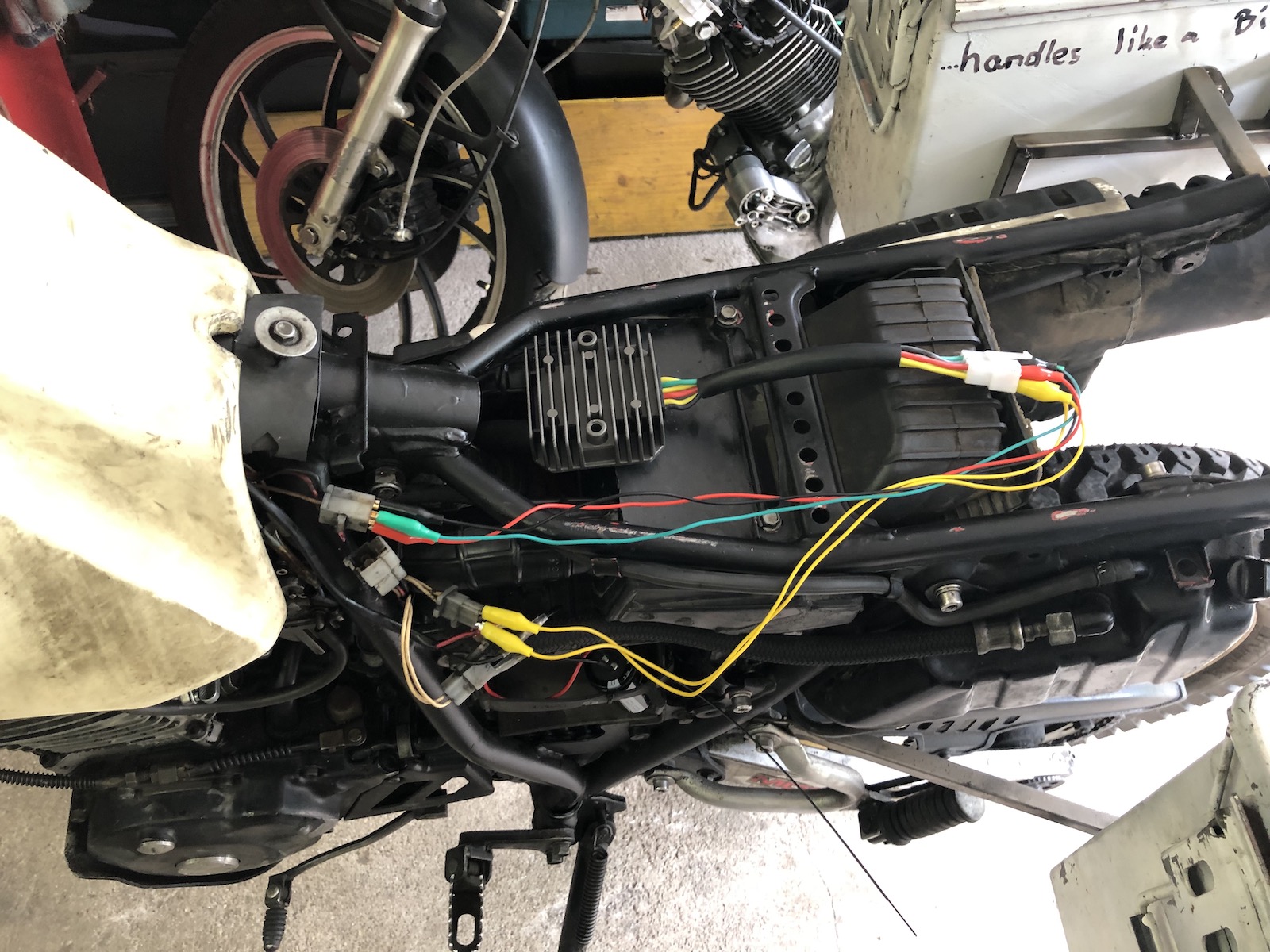
I'll spare you the gory details, but in the end it turned out to be a massive short that involved the switched 12V power source from the ignition barrel and the ground coming from the neutral switch. During testing I suspected the regulator to be behind the whole issue (assuming some sort of internal short), so I built this beautiful setup for testing.

As that didn't reveal anything (why should it this part was working just fine), I used an old bilux bulb as a dummy load between the alternator's two phases to see if they still put out anything.

It works significantly better, if you actuall plug the bulb into the one coming from the alternator and not the one from the regulator. (Did I mention I did a college for micro-electronics... yeah, time well spent. 😉 )

Somewhere around this time I worked out that as soon I unplugged the neutral switch the fuse would continue to work, so I called it "good enough" for now. Keeping in mind that finding those elusive ponies was a process that went on for several weeks, I tackled quite a few jobs along the way. One was that the joint between headers and exhaust can would constantly leak and chew the graphite gaskets. It turned out that if one sliced up a bit 44.5mm exhaust tube and shoved it over header that would completely eliminate the need for said gasket. (18 Euros a piece...)

As the stock 43F-muffler is in a bit of a state (and there's something rattling around inside of it), I was pretty convinced that one of the internal baffles had fallen over and thus was blocking the exhaust. But then there was also this lovely Arrow Paris-Dakar replica exhaust. Full stainless, freshly repacked, but unfortunately meant for a Honda XR600. (Some might recall, I have an actual XT600 version as well, but that's the smaller diameter version, which is loud as all hell.) It turned out that only the last bit of the snout of had to be slightly remade.

Actually fits nicer than the stock exhaust.

After playing around with various carb jettings and basically only deteriorating performance, I concluded that the only valid resolution would be to alter the cam-timing. 

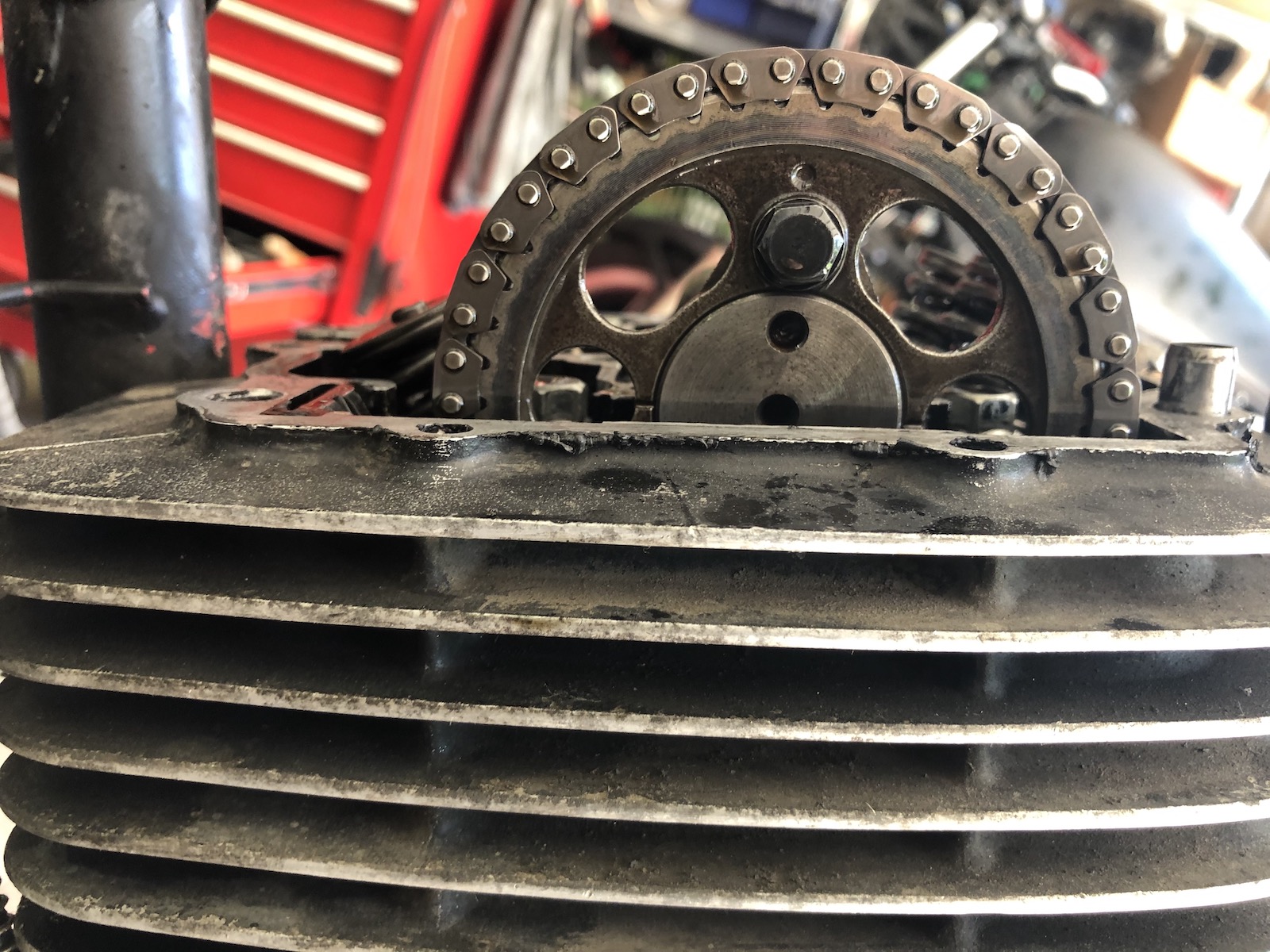
There's that trick from long-time XT owners that if the camchain is stretched just enough, one can breath some new life into the engine, by advancing the camshaft one tooth to compensate for the elongated camchain.

Didn't work, but when I was in there to correct my mistake, I took the time and welded on a bung for my AFR-meter. 


Which was the moment, when things changed from a bit strange to VERY INTERESTING.

With the engine off I let the probe (auto-)calibrate for a good 30 seconds.

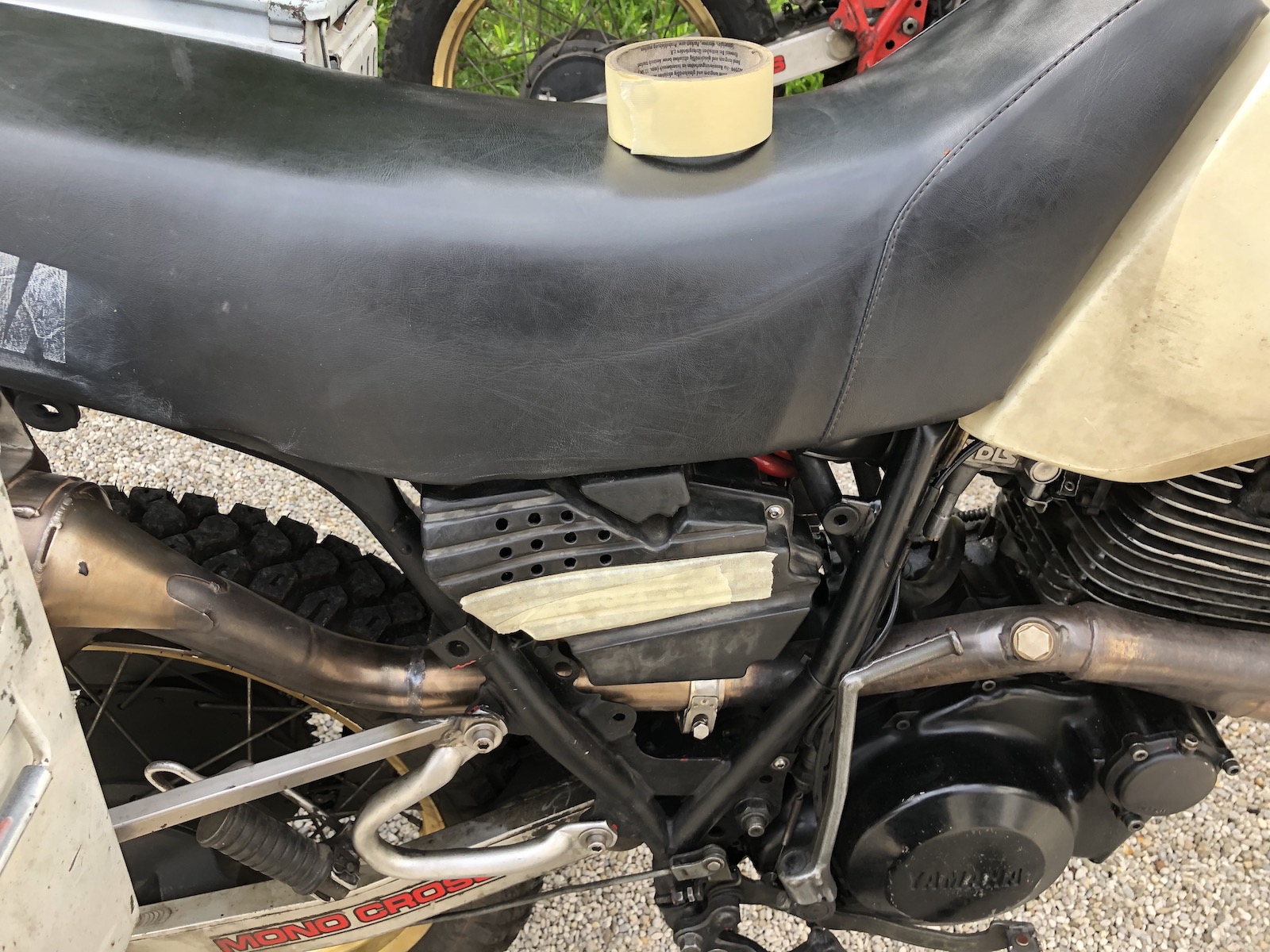
Kicked the old girl into life and started to doubt the reading on the instrument. 10.8:1 is quite rich and a good explanation for just how well it starts in the morning. But at mid RPMs it would completely stop working and break up. Now as you can see above the airfilter cover looks like a sieve and the jetting at this point was close to stock, yet the bike was running so rich it was unbelievable.

So surely it must an ignition issue. Found a new coil, swapped it in. Same result.

So attempt to reduce the amount of air with some lovingly applied masking tape. Same result.

Float levels - a classic. Ruined fuel economy, made starting annoyingly difficult. Same result.


At some point I got very annoyed and got my hands on these puppies. (Haven't tried them out yet, but I will!)

Then even threw in a spare TM33 carb body, which would have been a lovely solution to a problem, I didn't have, but the carb body is too wide to make it work.


With the carbs basically ruled out, engine timing ruled out there's one thing left and that's ignition timing. Now the ignition is non adjustable on these beasts. With the engine on TDC, there's this lovely little mark showing up EXACTLY on the pointer. It does look kind of odd for a TDC-marker though.

Well, it looks odd, because it isn't a TDC-marker and strangely enough, the engine will run, if timed to this one. I still haven't managed to measure just how many degrees out this actually was, but I'd say at least 15 degrees early. 

At which point it was just a matter of taking everything apart again, rejet to the last known working jetting and then do 500km of this. The Dre-XT-Stück is not meant to become some mad super sporty offroad racing bike, more of a hiking boot with a nice backpack that I can tour on for hours and just chill. The fact that she's got some get up 'n' go coming from that 633cc engine won't exactly do harm.

In an attempt to express my gratitude to the old girl, I got her some jewelry. New shiny bolts for the yokes to be precise and even more importantly flushed the clutch cable with oil. Lots of oil.


In return those panniers proved to be incredibly for all those transport-duties that would otherwise be completely impossible to achieve - like delivering "Strudel" from my Grandma to my girlfriend. 


Sunday, 7 August 2022

The SR500 sidecar - What needs to be done? ALL of it. (Part 2 of 2)
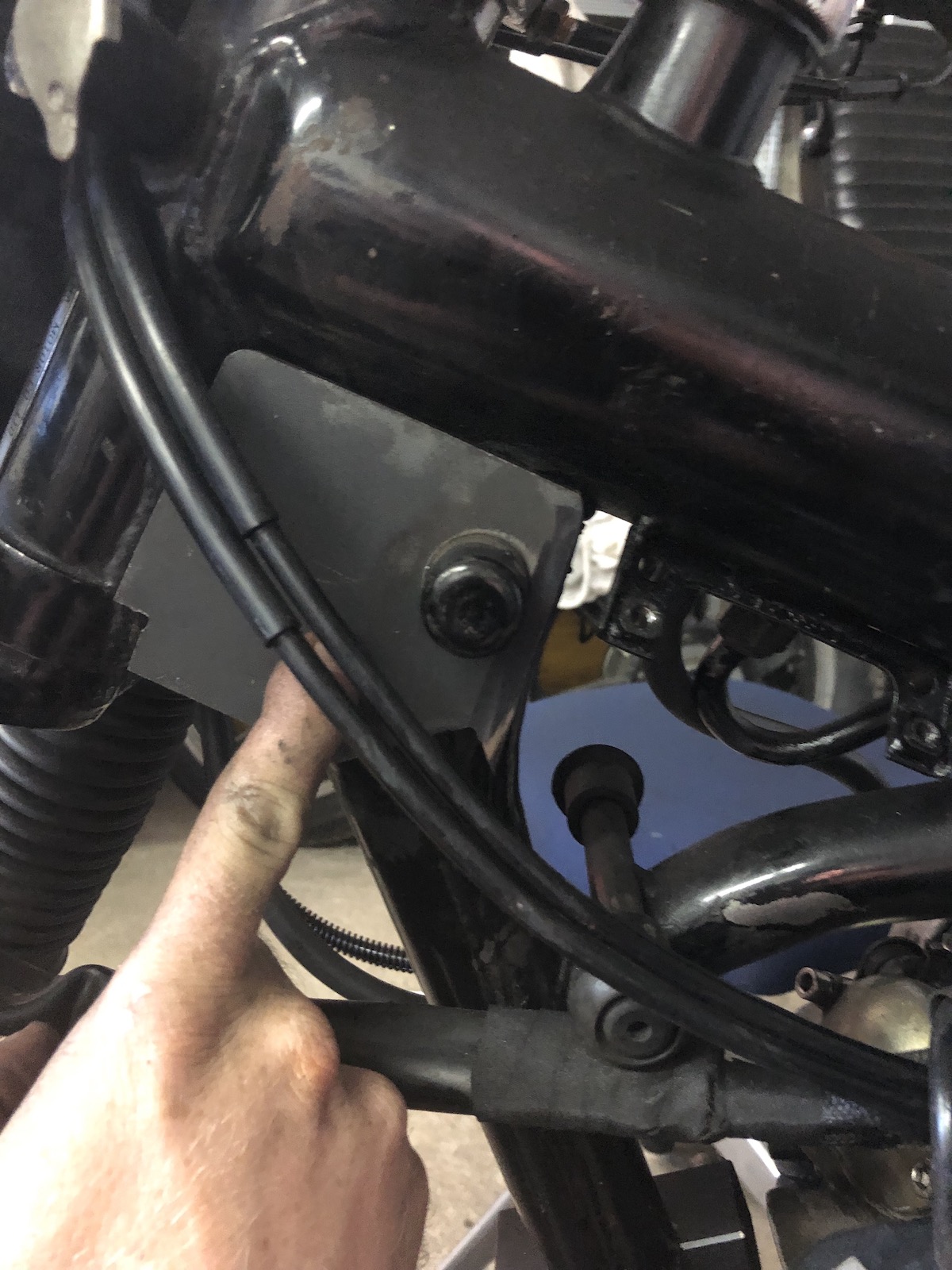
Procrastination is a term, which describes behaviour or more specifically a set of actions undertaken to avoid doing something else. I knew, I had to make some reinforcement plates for the steering head, yet I also dreaded the thought of making them and/or welding them on. (Not sure, which aspect I thought was worse, but they both were rather scary for me.)

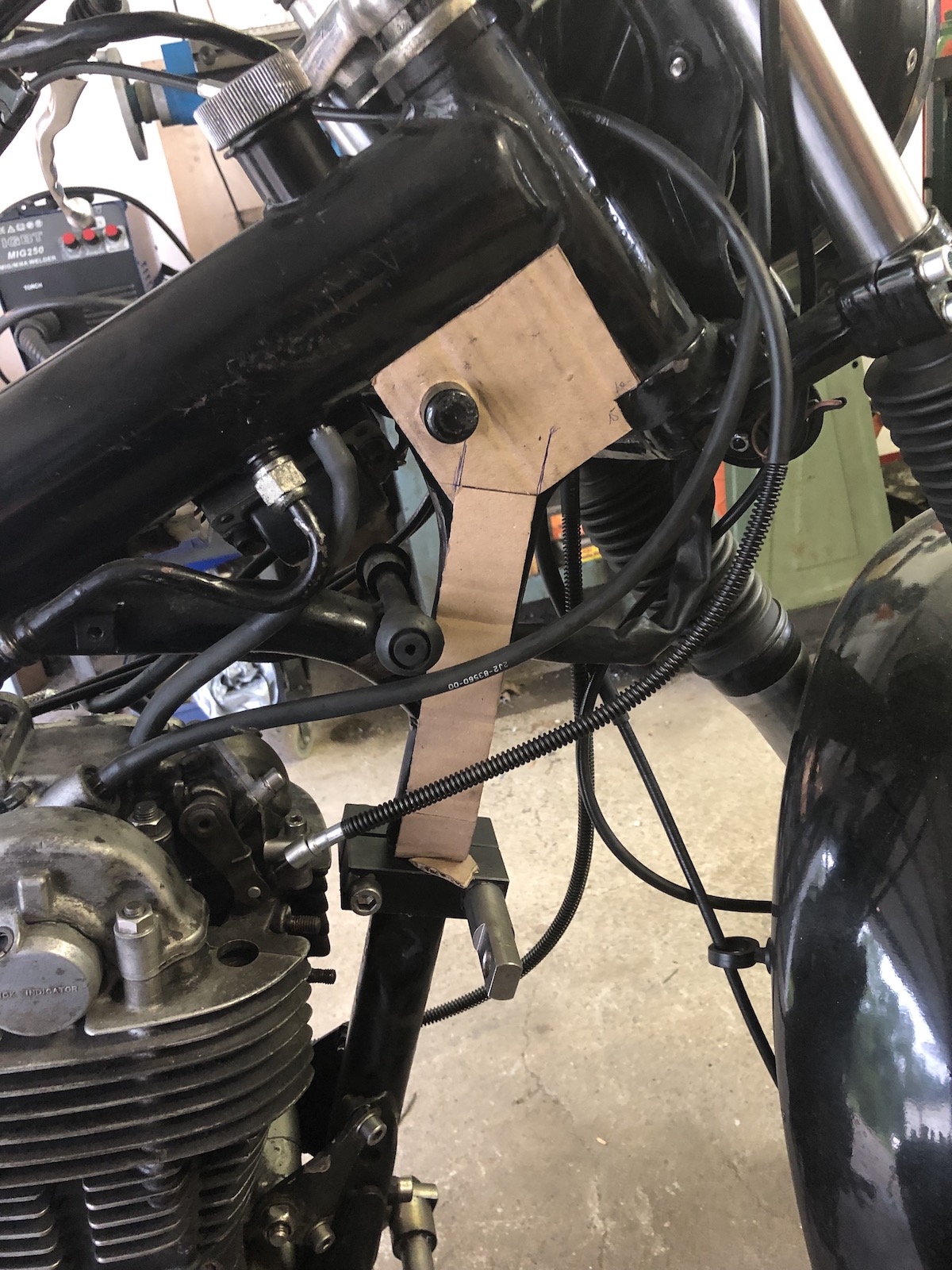
So I started with a bit of cardboard and a rather basic shape. (Top tip: if you need a round hole of a certain size, take a small hammer and a nut and just tap the cardboard, that'll cut a perfect hole into it.)

That's the position determined and from here onwards just slowly add all the shapes and cutouts.


I left an about 3-4mm gap to my upper sidecar mount as I wanted to have some room for welding.

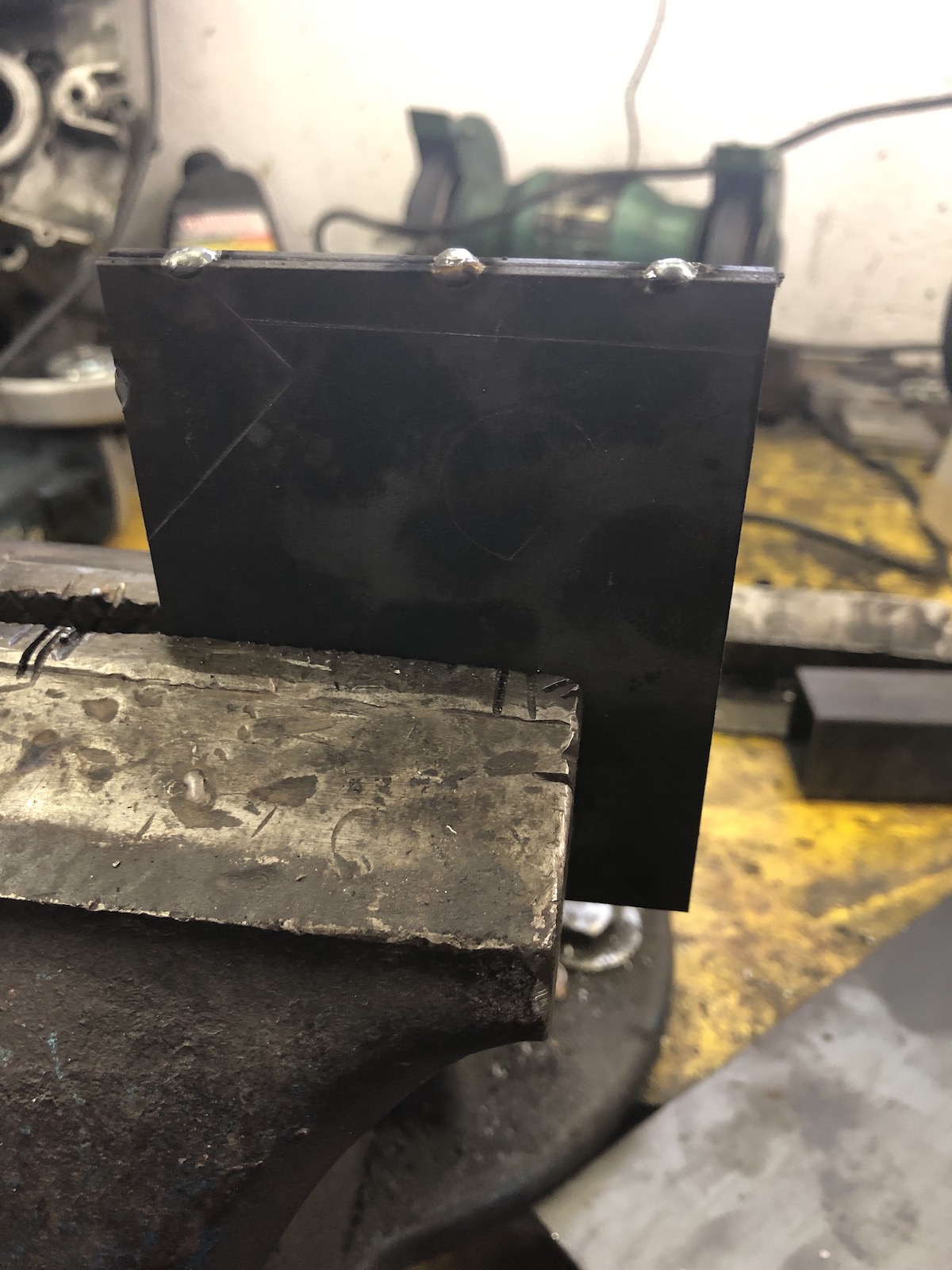
The fabrication side of things wasn't too challenging and in order to produce two (close to) identical plates, I welded both future headstock plates (3mm thickness) together and started to machine them.


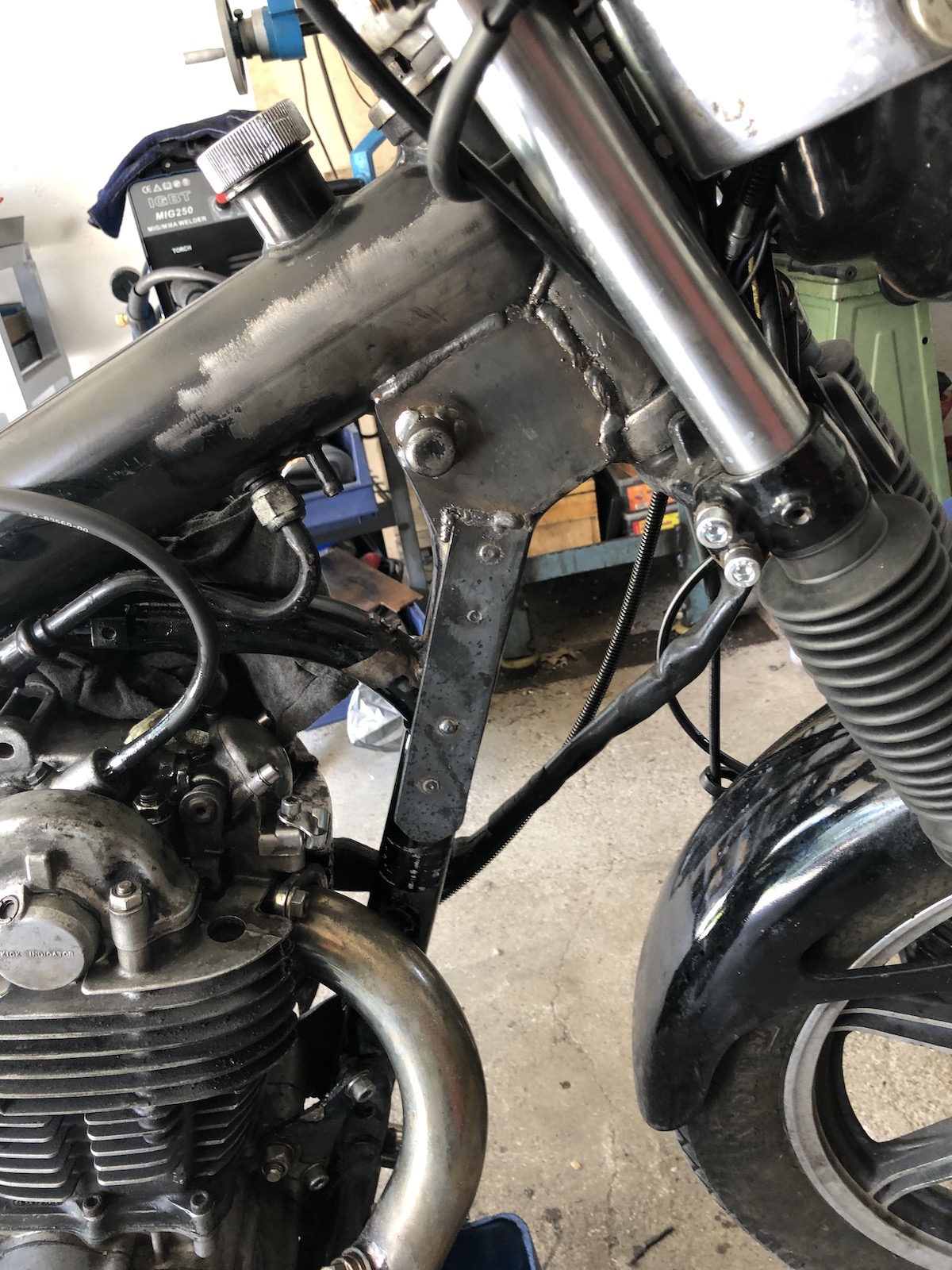
Welding time - warning these are no Instagram/weld channel welds and admittedly I am not very happy with the way they look. BUT they are definitely functional and to be honest that's what counts. 


Admittedly these pictures were taken before I did even the slightest bit of cleanup on those welds, not even a wirewheel and at least the spot welds and the seam between the two plates was later ground flat.

Not only because it made welding on the inside a lot easier, but also because the engine needed some attention as well, the engine came out. I didn't know it at the time, but the biggest f*ck-up of the whole build is already documented in this picture - when I cut off the hanger for the coil, I got a bit too deep and gauged the frame's backbone. 

And as it's usually mostly hidden - the star of the show, when it comes to holding the sidecar in place, the lower front mount.

Not sure what sort of impulse hit me, but I decided to attack the in-frame filter with a one-meter-breaker bar and guess what... the filter came out. And it was completely clogged with all sorts of old schmoo. So after roughly one can of brake cleaner, it looked like this again.


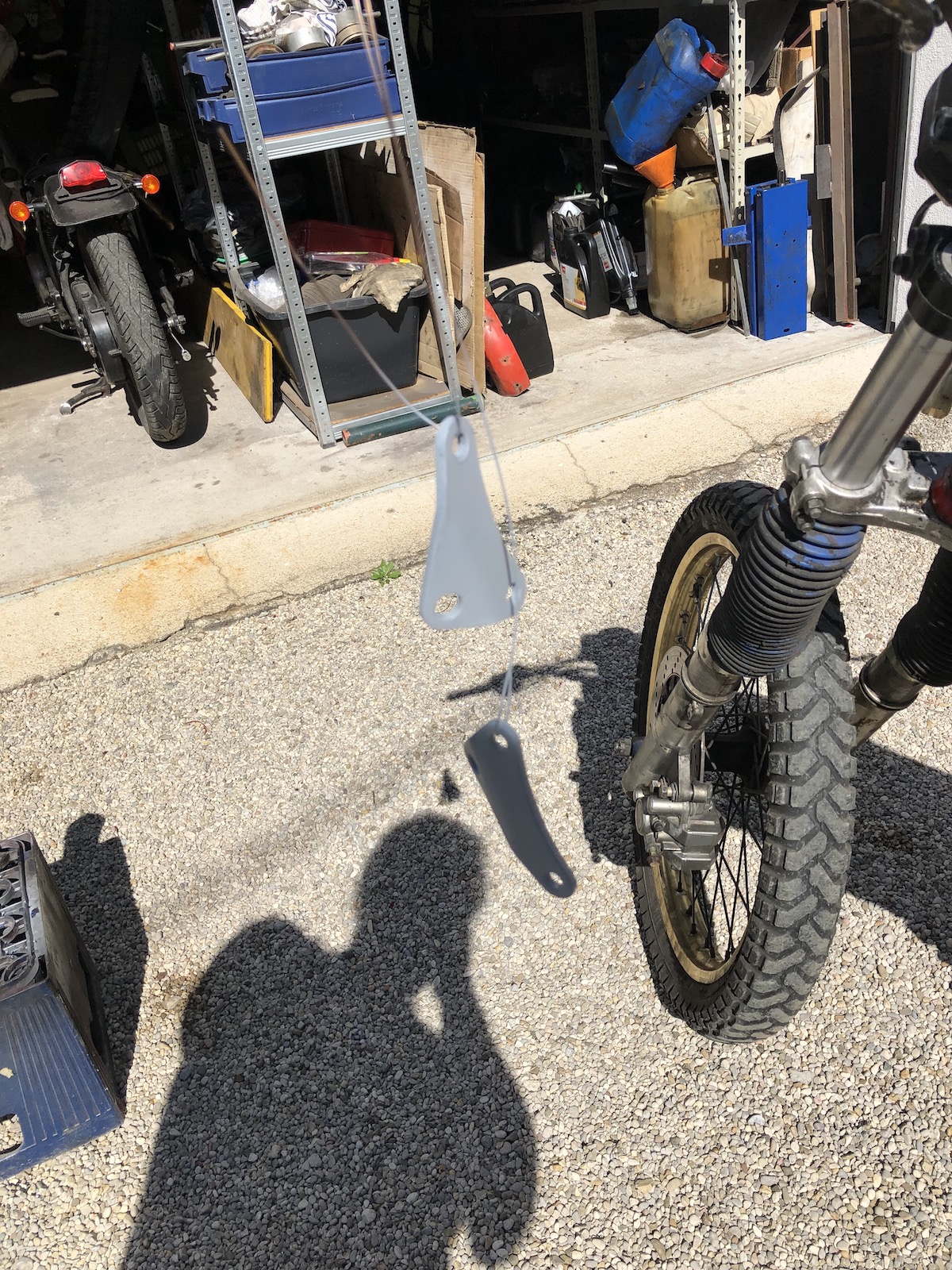
And *just because* I had the wire wheel out anyway, all the mounting plates got some fresh paint.


I've heard that watching paint dry is supposed to be very meditative, but I had this SR500 engine as an alternative. Even though piston and cylinder came fresh from the machine shop, the oil-consumption was QUITE in excess of one litre per 1000km, more like two or three and as such I expected some carnage. A lot of carnage. 


So I started to go through the engine with the proverbial fine toothed comb.

At this point I was pretty sure that the valve stem seal of the inlet valve was the culprit.

The oil-caked inlet valve would have been quite a good indicator to be honest. But no, all tight and sealing well.

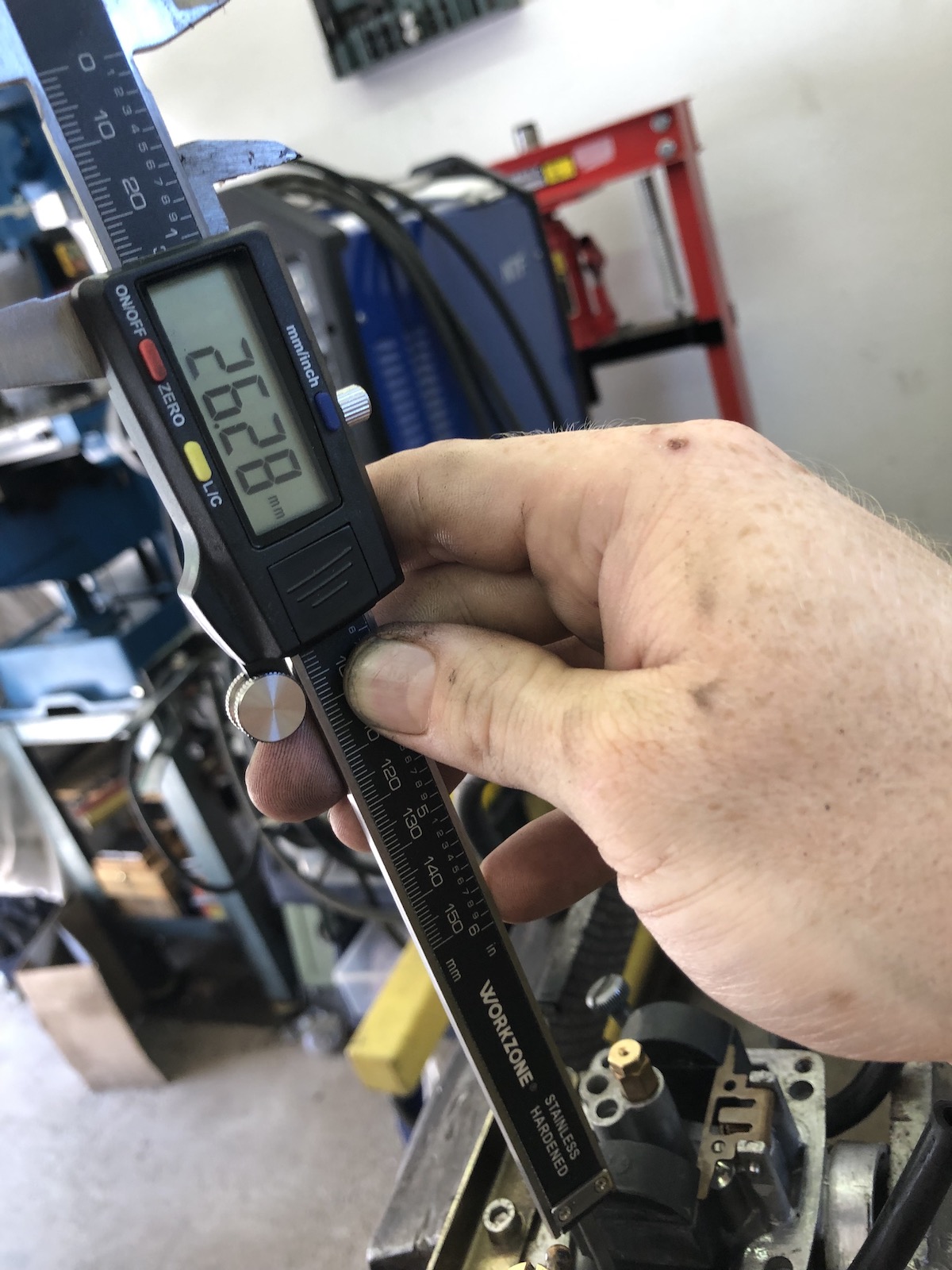
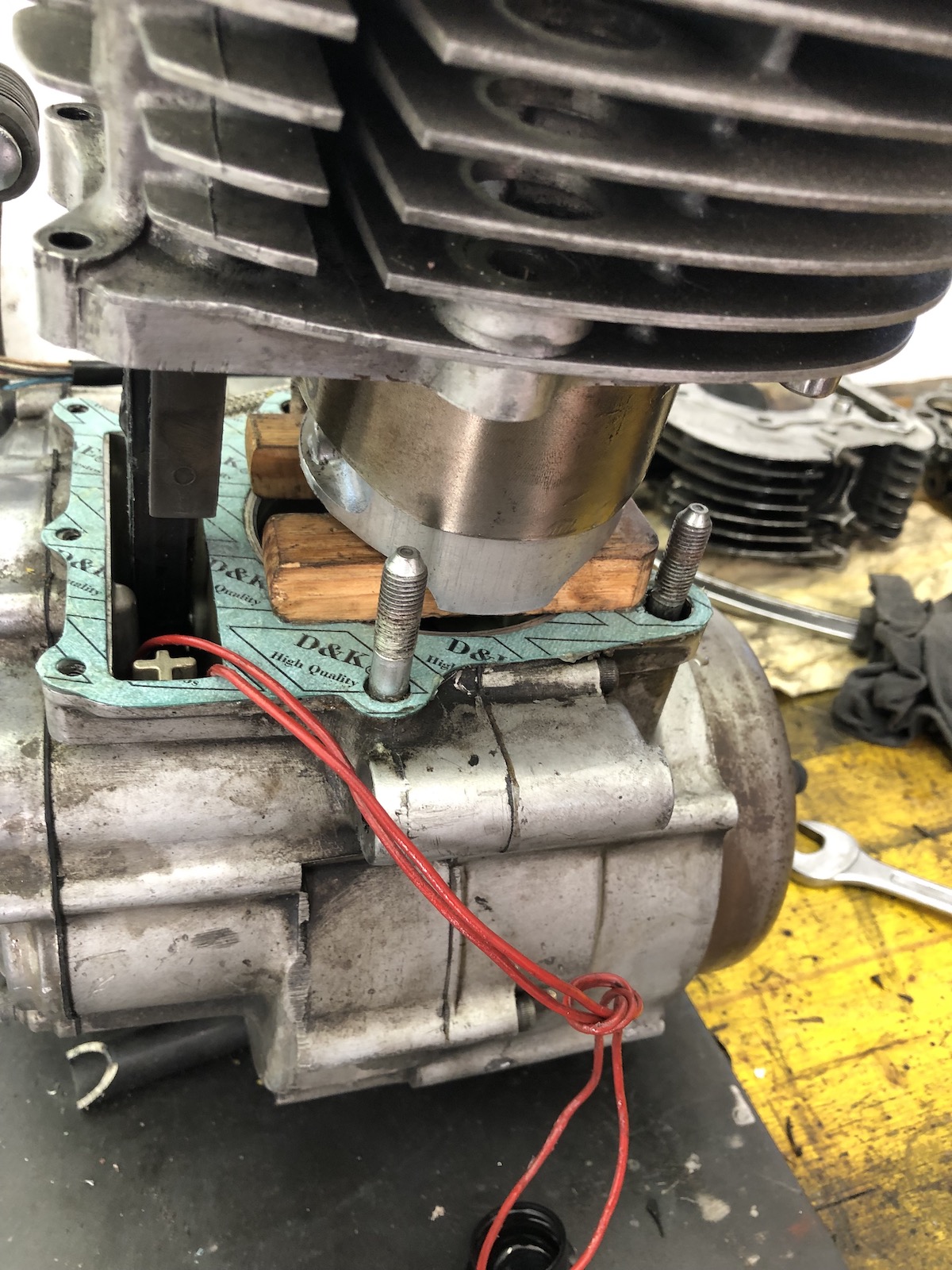
Hmm, cylinder not looking too good. Which is a bit bizarre as that's  a genuine 0km item bored to 88.50mm . (I am so sure about that not only because I double checked it, but also because I got a special deal from a machine shop, which said they had a bunch of 88.50 pistons sitting on the shelf and thus got a very good price on this one...)


... so why does it say 1.25mm (88.25mm) on the piston? 😮 In other words, I know have the answer to a question no one asked. "What's the side-effects of a piston with 0.33mm play in a big four-stroke single?" To give credit, where credit is due, nothing broke or shattered and as the new cylinder and piston setup is already at 88mm and this piston has only done about 400-500km, I am willing to give it a second chance at a later date.

... at which point everything could have been just sooo easy. Also that little piston support was something I made for my very first XT and it makes installing pistons so easy, because the whole piston is supported from underneath and you just have to concentrate on getting the piston and the rings into the cylinder.


Also: Polished valves are awesome - about 3 minutes with a brush and they are clean again.

Unfortunately the camchain came off the lower sprocket, so I had to open the clutch cover and completely forgot that about 1.5 litres of oil were still hiding inside... 


My welding plate will definitely not get rusty any time soon.

Bit of assembly lube goes a long way.

Also completely forgot just how simple the whole top end is on the old 2V XT500 and SR500 engines.

Quickly knocked up a new bracket for the ignition coil. 


And then there was this oil-line, which had this really bad idea of attempting to fight me... turns out I must have bent it somehow, when I took the engine out.


The first start went something like this - smokey, but that's something to be expected, because I am a strong believer in assembly oil. But it also showed that the bushing was REALLY dead by now.

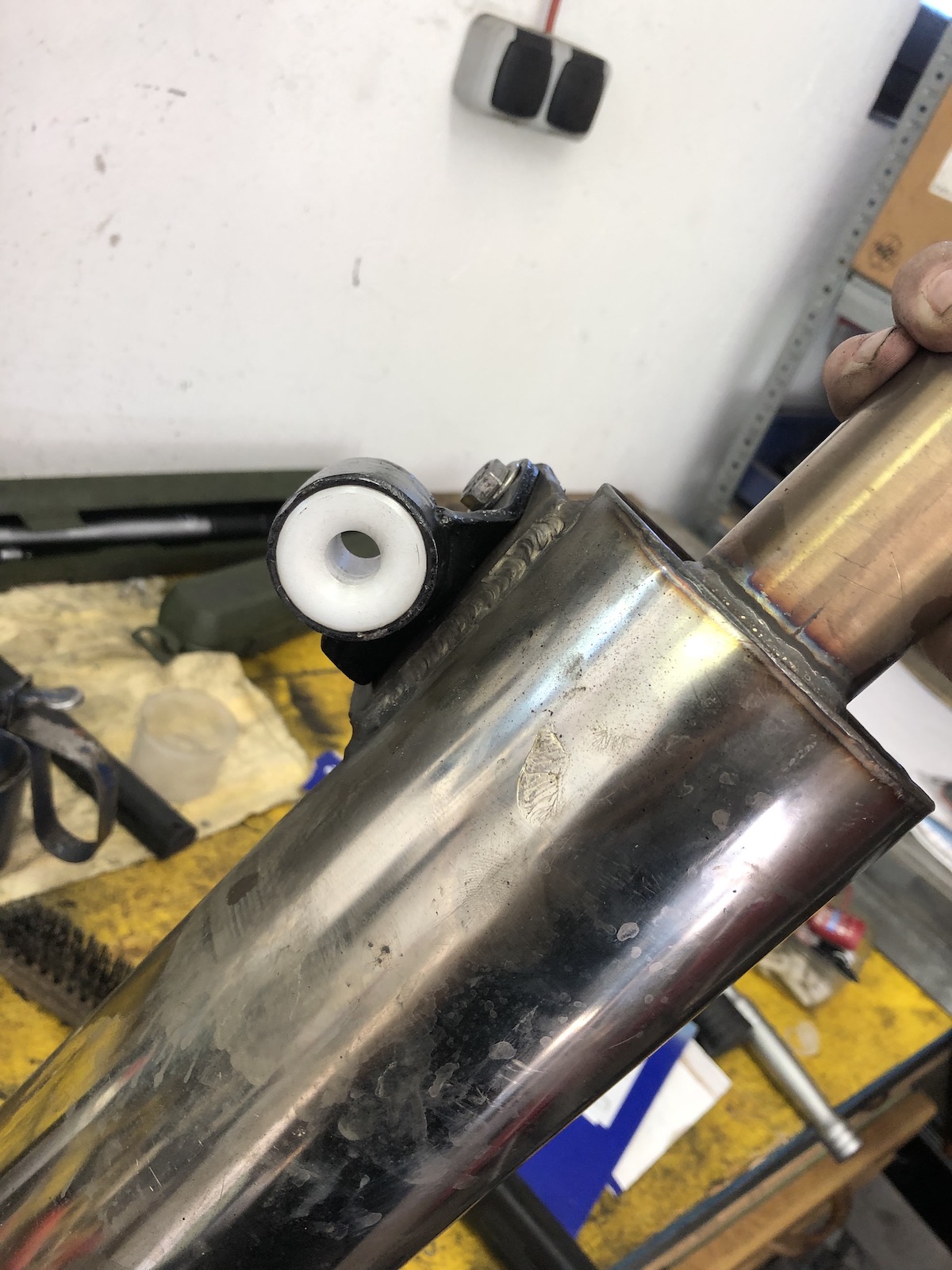
Nothing a bit of POM-plastic can't solve...


And there you go, essentially looks like before and I suspect the engine that 88mm piston and cylinder came out of where taken apart, because of excessive oil-consumption, but hey, at least I tried and with less than 10km on the clock there's still a good chance that the rings will come around again once they've gone through a good few heatcycles. Oh and she's pretty. 😍


Also with all those mods I had to dial in the sidecar almost from scratch. She never handled this well before. So at least the chassis mods and suspension dial-in were a big success.

So, I have two stock cylinders and an almost new 87.25mm piston and an (installed) 88mm cylinder and piston combo with a spare 88.25 piston. Life could be a whole lot worse.